~아 놓다 vs ~아 두다 vs ~아 있다
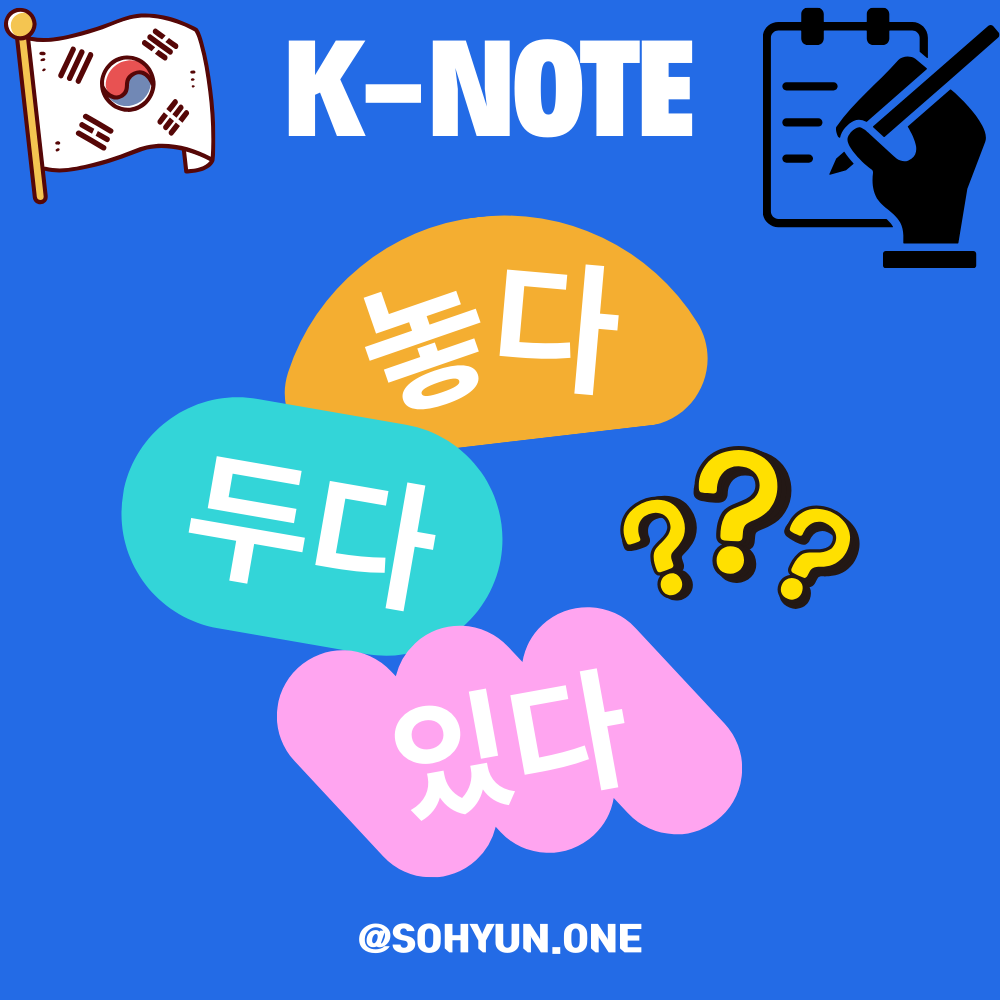
How are they different “~아/어 놓다, ~아/어 두다, ~고 있다 and ~아/어 있다”?
🔎 1. -아/어 놓다 — “do something on purpose and leave it that way”
This pattern emphasizes that the action was intentionally done, and its resulting state is kept for a reason—convenience, preparation, or habit.
The focus is on purposeful preparation.
✔ English nuance
“I did it (on purpose) and left it like that.”
✔ Examples
❗ Daily life
문을 열어 놓았어요.
I opened the door and left it open on purpose.불을 켜 놓고 잤어요.
I turned the light on and slept with it on.
❗ Preparation
손님이 올 거라서 과자를 미리 사 놓았어요.
I bought snacks beforehand and have them ready because guests are going to come.
❗ Reminder / habit
중요한 문서는 파일에 넣어 두세요.
Put the important documents in a file and leave them there.
🔎 2. -아/어 두다 — “do something and keep it that way for later benefit”
Very similar to -아/어 놓다, but more emphasis on longer-term benefit, preparation, convenience, or preventive action.
Often used in instructions, planning, or when something is done in advance.
✔ English nuance
“I did it and kept it that way for future use or benefit.”
✔ Examples
❗ Preparation for later
환기를 하려고 창문을 열어 두었어요.
I opened the window and kept it open so the room can ventilate.내일 아침에 먹으려고 샌드위치를 만들어 두었어요.
I made Sandwich and kept it for tomorrow morning.
❗ Long-term helpful state
Sohyun.One 비밀번호를 잊지 않게 메모해 두었어요.
I wrote it down so I won’t forget the password of Sohyun.One later.여행 가기 전에 짐을 미리 싸 두었어요.
I packed my bags in advance for the trip.
문서를 백업해 두세요.
Please back up the files and keep them saved.
🔎 3. -고 있다 — “an action is currently in progress”
This expresses an action that is happening right now, ongoing, or repeated in a continuous way.
✔ English nuance
“I am doing this now.” / “This action is happening.”
✔ Examples
❗ Right now
문을 열고 있어요.
I am (in the process of) opening the door.정현 씨가 비빔밥을 먹고 있어요.
Junghyun is eating Bibimbap.멜 씨는 소현 씨를 기다리고 있어요.
Mel is waiting for Sohyun.
❗ Ongoing repeated action
요즘 한국어를 배우고 있어요.
I’m learning Korean these days.
🔎 4. -아/어 있다 — “the result of an action remains”
This expresses a static state that was caused by a past action.
The action itself is already finished; now we focus on the current condition.
✔ English nuance
“It is in the state of being (verb-ed).”
“The action is done, and the result remains.”
✔ Examples
❗ States of objects
문이 열려 있어요.
The door is open (it remains open).불이 켜져 있어요.
The light is on.
❗ Clothing / things worn
모자가 벗겨져 있어요.
His hat is (in the state of being) taken off.창문에 커튼이 쳐져 있어요.
The curtains are drawn on the window.
❗ Situations
한강 다리에 차가 많이 서 있어요.
Cars are (in the state of being) stopped on the Han-river bridge.
📌 Quick Comparison Summary
Pattern
Focus
English meaning
Example
-아/어 놓다
intentional action + leaving it
“did it on purpose and left it like that”
창문을 열어 놓았어요.
-아/어 두다
preparation /
future benefit
“did it and kept it for later advantage”
물을 데워 두었어요.
-고 있다
action in progress
“am doing (right now)”
문을 열고 있어요.
-아/어 있다
resultative state
“is in the state of being (verb-ed)”
문이 열려 있어요.
